Can Pressure Washing Actually Damage Your Concrete Driveway?


Concrete looks indestructible, but the surface layer — called the cement paste — is actually more vulnerable than the aggregate underneath. When you apply too much pressure or hold a narrow-angle nozzle close to the surface, you erode that paste layer, exposing the aggregate below and creating a rough, pitted texture. This is called surface etching, and once it happens it can't be undone without grinding or resurfacing the slab. Etched concrete is also more porous, which means it absorbs stains more readily, allows water penetration that accelerates freeze-thaw damage in cold climates, and generally looks worse over time rather than better.


The pressure threshold that most professionals use for concrete is 3,000 PSI or below, with 2,500 PSI being a reasonable sweet spot for driveways. Consumer pressure washers typically run 1,500 to 2,000 PSI, which is generally safe for concrete in good condition when used correctly. The problem comes when people rent or borrow a higher-powered gas unit — often 3,500 to 4,000 PSI — and use it without adjusting technique for the additional power. More pressure feels like better cleaning, but past a certain point you're removing surface material, not just dirt.
estimated_quoteArtboard 3

Get a Free Quote

Contact Us


Milwaukee Pressure Wash


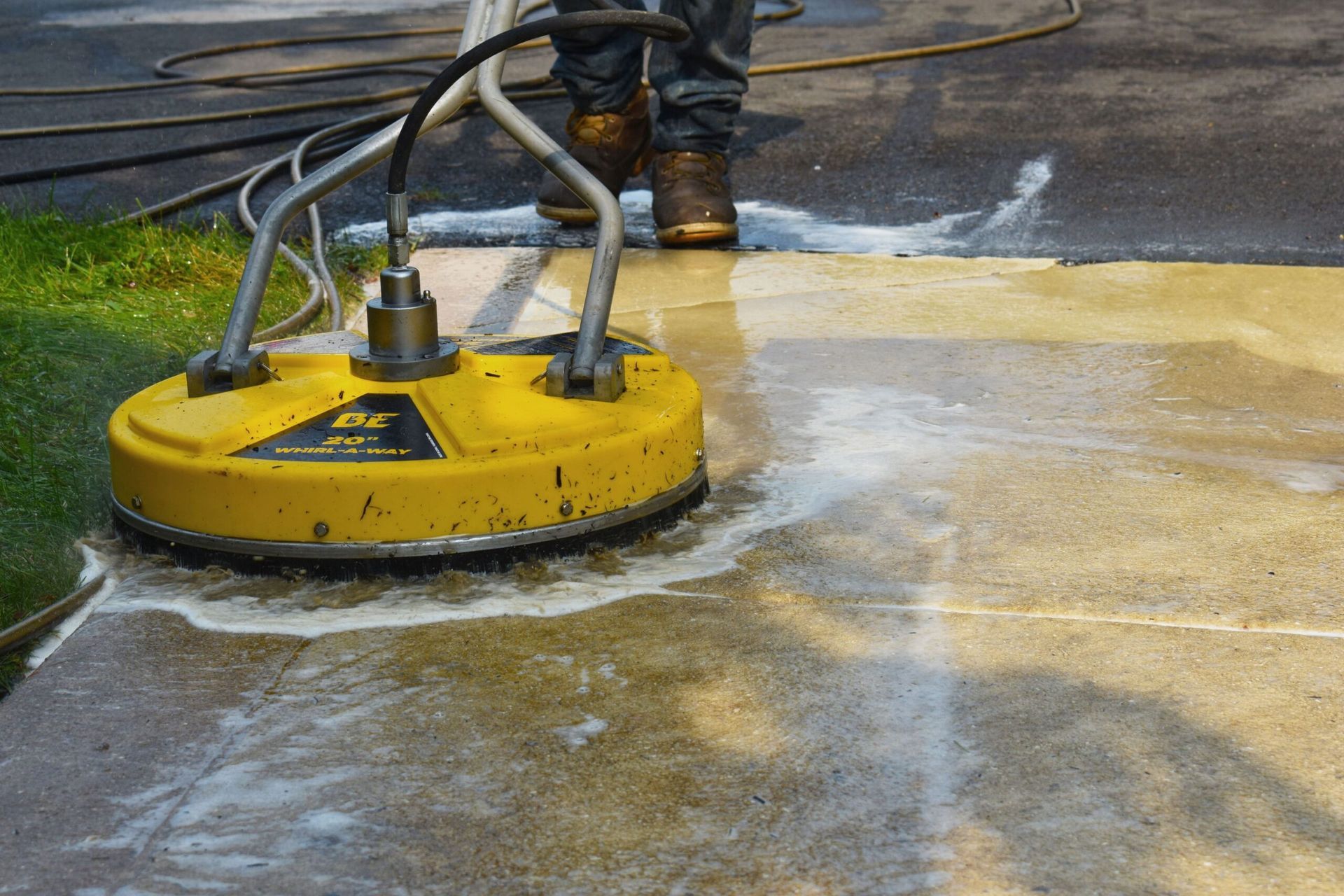
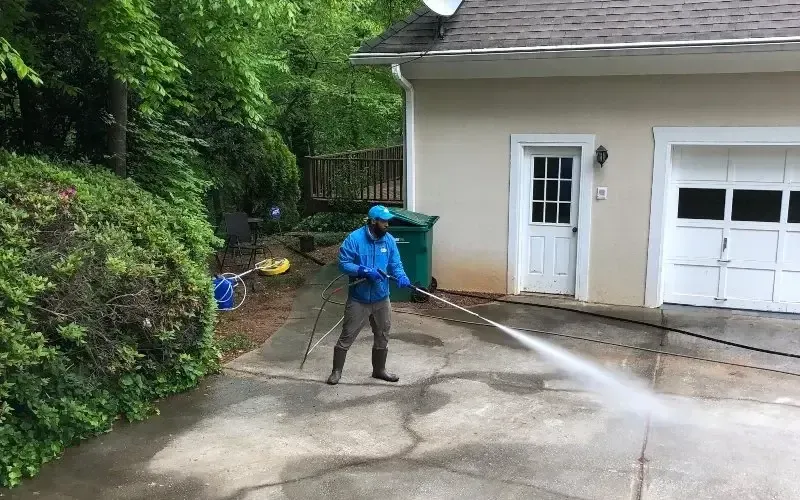
Nozzle selection matters as much as PSI. The narrow red 0-degree nozzle that comes with most pressure washers is for stripping paint or blasting heavily caked material off metal — it should essentially never touch your concrete driveway. The yellow 15-degree nozzle is the most aggressive that most concrete surfaces should see, and even then, technique matters. A 25-degree green nozzle is the safer default for general driveway cleaning. A rotating turbo nozzle — which spins a narrow stream in a circular pattern — provides effective cleaning with less concentrated force and is worth considering for heavily soiled surfaces. Holding any nozzle closer than about 12 inches to the surface dramatically increases effective pressure, so maintaining consistent distance matters.


Concrete age and condition change the risk profile significantly when thinking about whether pressure washing damages a concrete driveway. New concrete — anything less than about a year old — is still curing and should be cleaned at lower pressures than mature concrete. Old concrete that's already showing surface deterioration, spalling, or exposed aggregate is more vulnerable to pressure washing than sound concrete in good condition. If the surface is already compromised, pressure washing can accelerate damage that's already in progress. In those cases, lower pressure with a wider nozzle and perhaps a chemical cleaner that does more of the work is the smarter approach.


Cracks deserve special attention. Pressure washing over an existing crack can widen it by forcing water into the void and eroding the edges. If your driveway has significant cracking, fill the cracks first with an appropriate concrete crack filler, let it cure fully, and then wash. Sending high-pressure water directly into an open crack is one of the more reliable ways to make it worse.


The cleaning solution question also matters more than most people think. For general dirt and grime, plain water at the right pressure is sufficient. For oil stains — the most common driveway problem — a concrete degreaser applied and allowed to dwell before rinsing does most of the work, and you need far less pressure to rinse it clean than you'd need to try to blast the stain out with water alone. Mold and algae respond well to a diluted bleach solution or commercial concrete cleaner applied before washing. Letting chemistry do the heavy lifting means you can use less pressure and get better results.


The practical checklist for pressure washing a concrete driveway without causing damage is straightforward: use a consumer-grade electric washer or keep a gas unit at appropriate settings, choose a 25-degree or wider nozzle, stay at least 12 inches from the surface, pre-treat stains with the right cleaner, fill cracks beforehand, and work in consistent overlapping passes rather than lingering in one spot. Follow that and you'll get a genuinely clean driveway without the surface damage that turns a maintenance task into a repair project.

Satisfied Clients

quotes2Artboard 2

Commercial Services

Serving Milwaukee and Beyond

Whether you’re looking for local pressure washing, pressure wash Milwaukee, or pressure washing Milwaukee WI, our team is ready to help. We proudly serve Milwaukee and nearby communities within a 100-mile radius, offering both scheduled and same-day pressure washing services. Our focus on efficiency, safety, and quality makes us the go-to Milwaukee pressure washer experts for homes and businesses alike.

Contact us today to schedule your free consultation and experience the difference with Atlanta Ceiling Pros, your trusted partner for professional pressure washing in Milwaukee, WI. Let us help you restore, refresh, and protect your property with our full range of pressure washing Milwaukee WI services.

Milwaukee Pressure Washing Near Me?