Start at the top and work down. Your gutters are the most important item on the list, and they're the one most people either skip or do too early. Wait until the trees in your yard have mostly dropped their leaves — cleaning gutters in early October just means doing it again in November. When you do get up there, clear out everything: leaves, seed pods, shingle grit, whatever has accumulated. Then run a hose through them to confirm they're flowing freely and check the downspouts aren't clogged. Downspouts that are blocked or that discharge too close to the foundation are a leading cause of basement water problems, so make sure the water is being directed well away from the house — at least three to four feet minimum, more if your grading is flat.
How to Prepare Your Home's Exterior for Winter: A Cleaning Checklist

Get a Free Quote
Contact Us
Milwaukee Pressure Wash
While you're looking at the roofline, scan for any shingles that are curling, cracked, or missing. You don't need to climb on the roof for this — binoculars from the yard work fine. A damaged shingle going into winter is an invitation for ice and water to get underneath, and what starts as a minor repair in October can become a ceiling stain or worse by February. If you spot anything concerning, a roofer can usually do a quick repair before the season turns.
Come down to the siding and trim next. Look for paint that's peeling or bubbling, caulk that's cracked or pulling away from window and door frames, and any wood that's showing early signs of rot — it'll feel soft when you press it. Gaps in caulking around windows and doors are worth addressing before winter for two reasons: they let water in during freeze-thaw cycles, and they're significant sources of heat loss. A tube of exterior caulk and an hour of your time is one of the better investments you'll make before the cold arrives.
Check the foundation perimeter while you're walking around. Debris and soil that's piled up against the siding or foundation can hold moisture against the structure through winter, accelerating rot and potentially allowing water to wick in. Clear any mulch or plant material away from the base of the house so there's a few inches of clearance. Also look at the grading — water should slope away from the foundation, not toward it. If you have low spots that pool after rain, adding some soil to redirect drainage now is much easier than dealing with a wet basement in March.
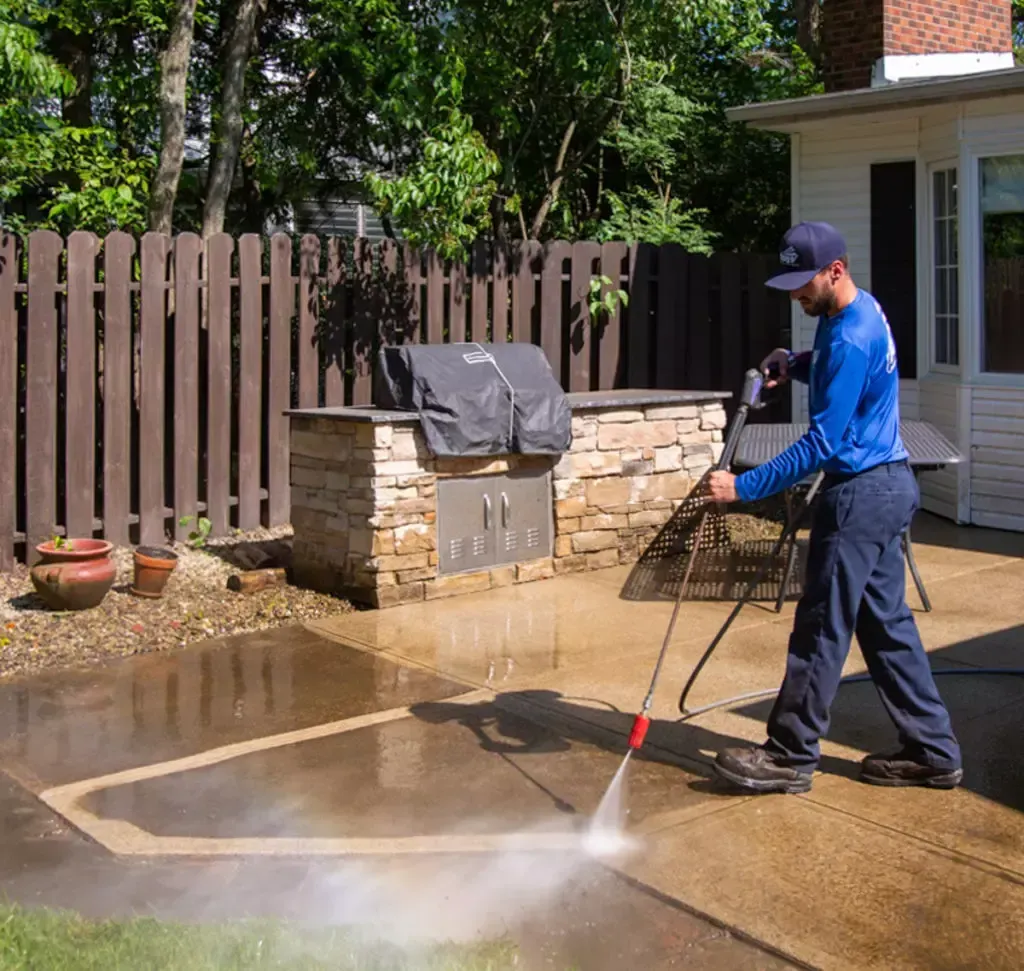
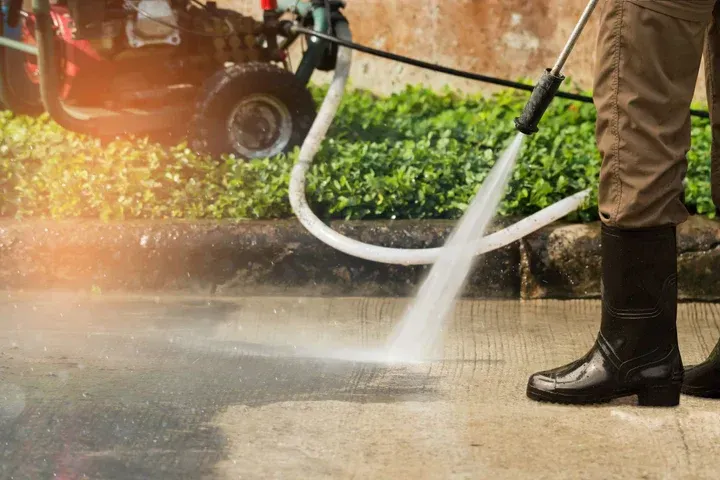
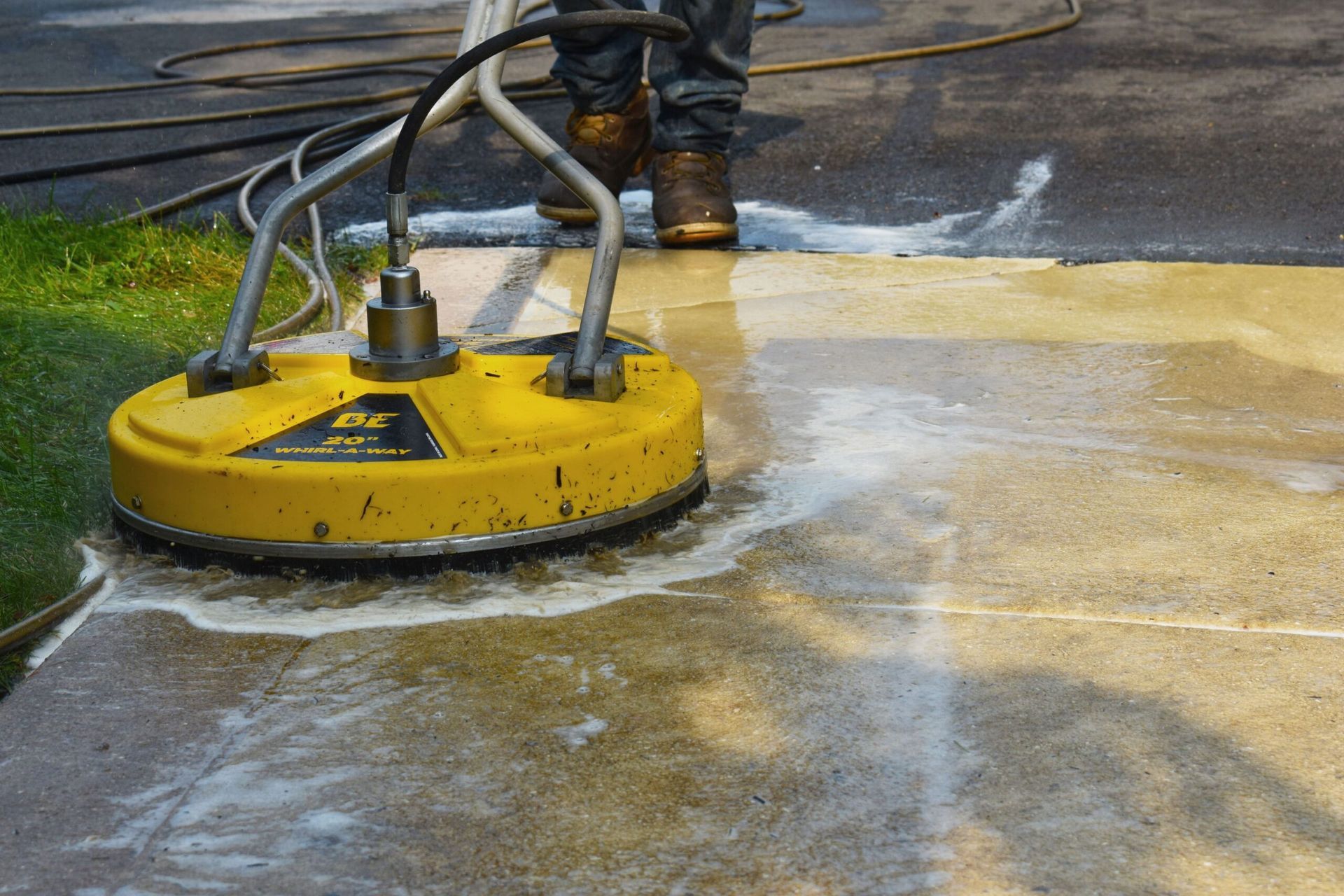
Power washing the siding before winter is worth doing if your house needs it, but timing matters. Do it early enough in the fall that the surface has time to dry thoroughly before temperatures drop — washing siding and then having it freeze while still damp can drive moisture into the material. A clean surface also lets you see what you're actually dealing with when you're inspecting for damage.
Don't forget the driveway and walkways. Cracks in concrete or asphalt that seem minor now will be significantly worse in spring after several freeze-thaw cycles have worked on them. Filling cracks in the driveway takes about twenty minutes and a tube of crack filler, and it genuinely extends the life of the surface. Also make sure your outdoor spigots are shut off and drained if they're not frost-free, and disconnect hoses — a connected hose can hold water back into the pipe and cause it to freeze and burst.
If you go through a solid clean home exterior before winter checklist every fall, most of the items become quick because you're catching things early rather than letting them accumulate. The houses that develop expensive problems over winter are usually ones where small issues — a cracked caulk joint, a blocked downspout, a soft piece of trim — were visible in October but never addressed. None of it is complicated. It's mostly a matter of actually walking around the house with fresh eyes and dealing with what you find rather than telling yourself you'll get to it later. Later usually means spring, and spring usually means a bigger repair than you would have had in the fall.