Can pressure washing remove efflorescence?

Pressure washing is a useful part of removing efflorescence from concrete, but by itself it often isn't enough — and used incorrectly, it can make the problem look worse before it looks better by spreading the loosened mineral residue across the surface rather than removing it.


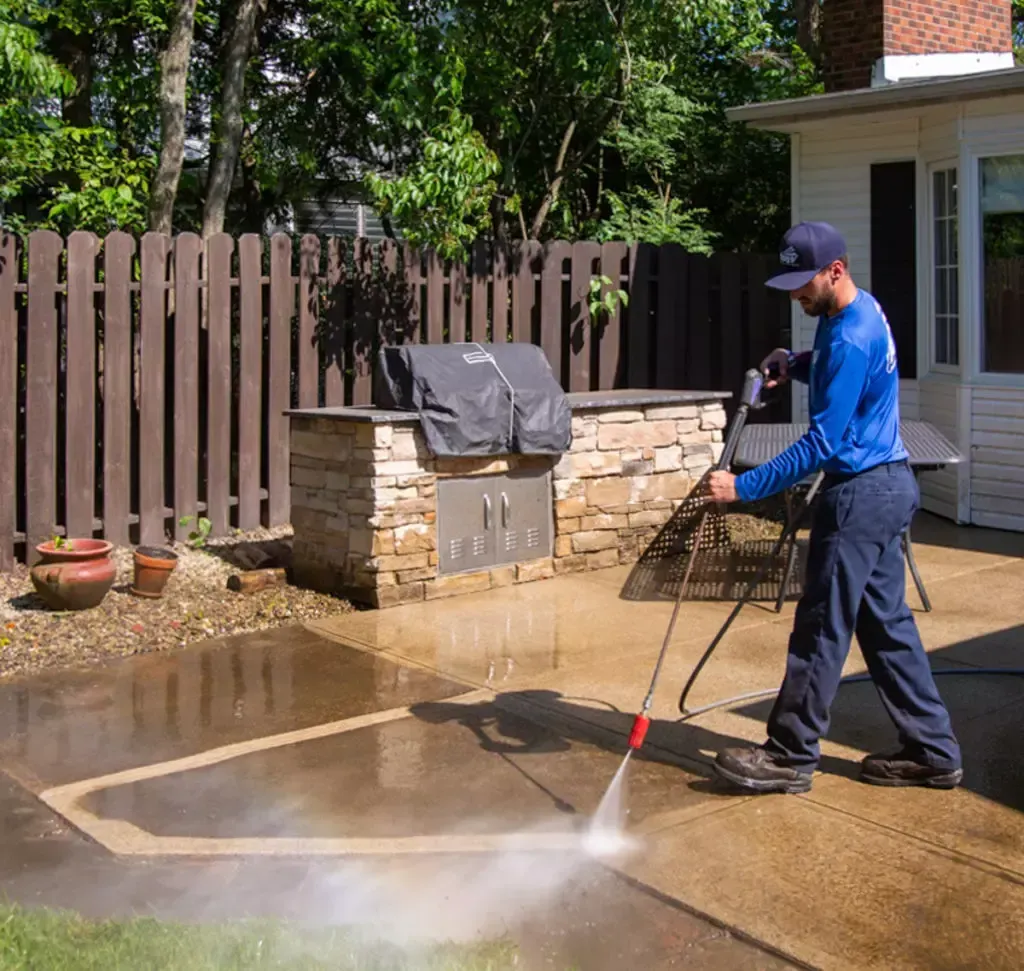
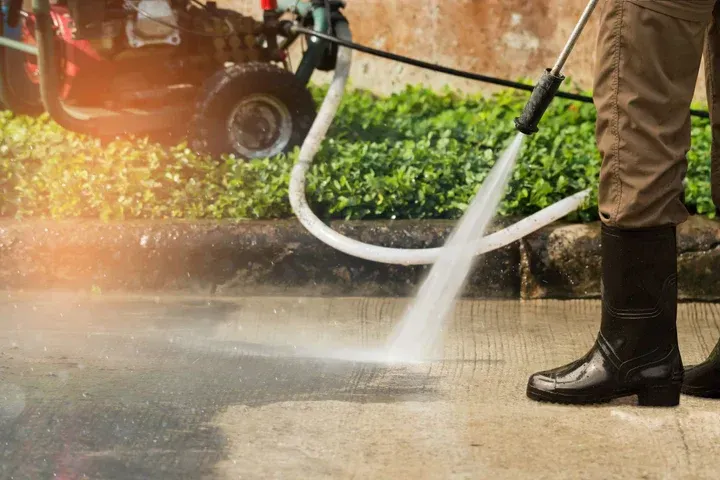
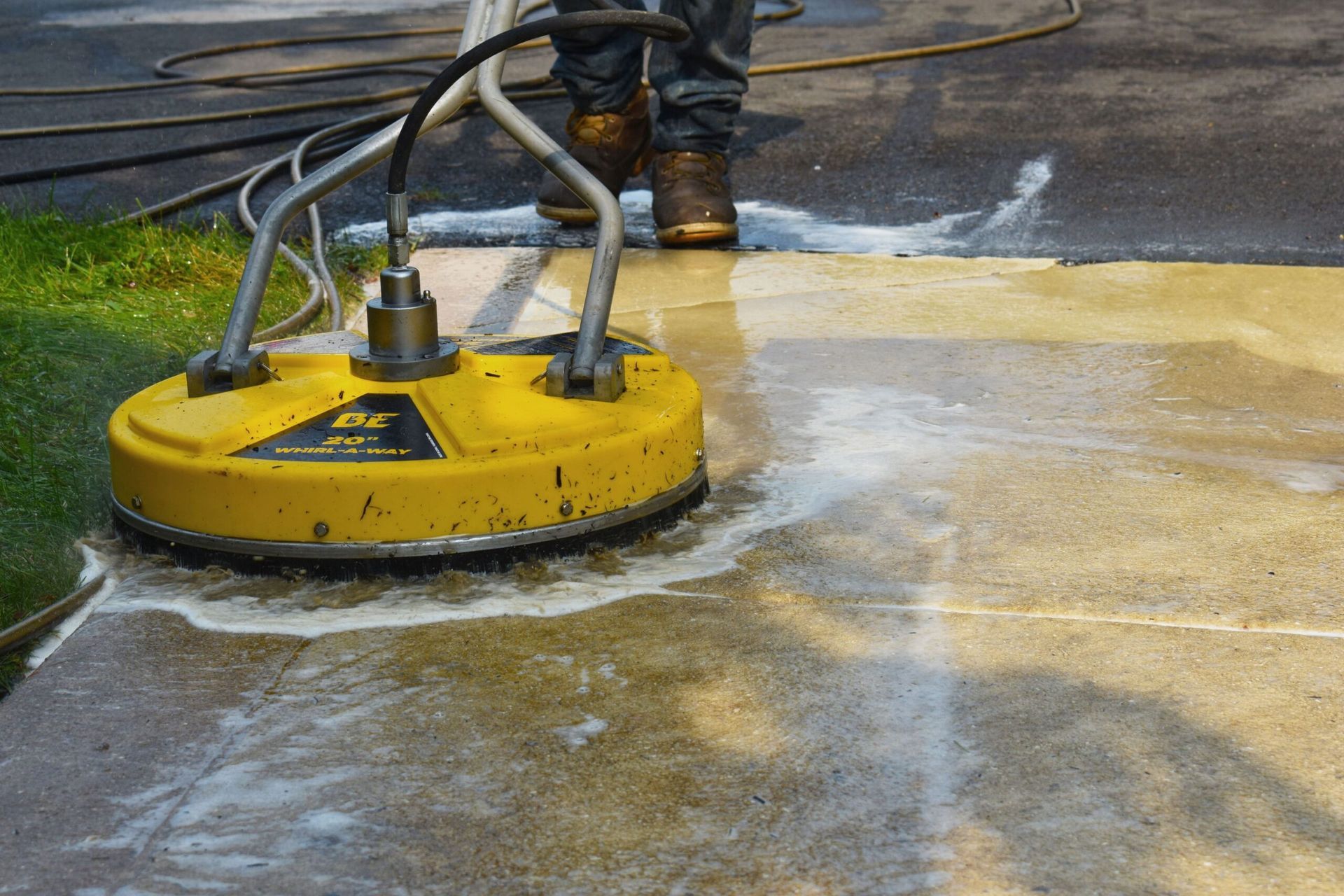
For light, recent efflorescence — the kind that's developed over a single season on relatively new concrete — pressure washing at 2,000 to 3,000 PSI with a 25-degree tip, combined with a stiff brush on stubborn areas, can produce a reasonably clean result. New efflorescence hasn't fully hardened and bonded to the surface the way older deposits have, which makes it more responsive to mechanical removal.


For heavier or older deposits, efflorescence concrete pressure washing alone will disappoint you. The mineral salts have had time to crystallize and bond into the surface texture, and water pressure alone doesn't break that chemical bond. This is where a cleaning solution becomes necessary — not as a shortcut, but as a chemical step that genuinely changes what's happening at the surface.
estimated_quoteArtboard 3

Get a Free Quote

Contact Us

Everything You Need to Know Before Pressure Washing Your Deck

The cleaning approach that actually works

The most effective method for removing established efflorescence is to apply a diluted acidic cleaner before pressure washing, let it react with the mineral deposits, and then rinse thoroughly. White vinegar — undiluted, applied liberally and allowed to sit for five to ten minutes — works for light to moderate efflorescence and is a reasonable first attempt before moving to stronger solutions.

For heavier deposits, a diluted muriatic acid solution is the standard professional approach. A mixture of one part muriatic acid to twelve parts water, applied to a pre-wetted concrete surface, will dissolve the calcium carbonate deposits that make up most efflorescence within a few minutes. The pre-wetting step matters — dry concrete absorbs acid solution unevenly and can result in patchy etching. Wet the surface first, apply the solution, watch for the fizzing reaction that tells you the acid is working, let it dwell for three to five minutes, then scrub with a stiff nylon brush and rinse extremely thoroughly with pressure washing.

Muriatic acid requires proper handling — rubber gloves, eye protection, good ventilation, and awareness that runoff can damage nearby vegetation and metals. Neutralize the surface after rinsing with a baking soda and water solution to stop any residual acid activity, then rinse again. It's not a casual product, but used correctly it removes efflorescence that nothing else will touch.

For concrete that's sealed, painted, or decoratively finished, check with the sealer or coating manufacturer before using any acid-based cleaner. Acid can damage or strip surface coatings, which creates a bigger problem than the efflorescence you started with.

Satisfied Clients

quotes2Artboard 2

Milwaukee Pressure Washing Near Me?

Why it keeps coming back

The hardest thing to tell homeowners about efflorescence is that removal is often temporary if the underlying moisture source isn't addressed. Efflorescence is a symptom — the visible end result of water moving through the material. If the water pathway remains, the mineral migration continues, and you'll be back to a chalky white surface within a season or two of cleaning it.

Common sources include poor drainage that keeps water pooling against foundation walls or retaining structures, inadequate grading that directs water toward concrete flatwork, cracked or absent control joints that allow water infiltration, and in newer concrete, simply the curing process releasing moisture — which typically resolves on its own within the first year or two.

Sealing concrete after cleaning is one of the most effective ways to slow the return of efflorescence. A penetrating concrete sealer reduces the water absorption that drives the whole process and buys significantly more time between cleanings. It won't stop efflorescence entirely if a serious water infiltration problem exists behind the surface, but for the normal environmental moisture exposure that most driveways and patios deal with, a good sealer makes a real difference.

Removing efflorescence from concrete through pressure washing and the right cleaning approach produces results that genuinely transform how a surface looks. Just go in understanding that the pressure washer is one part of the solution — and that the longer-term fix involves the water, not just the stain it leaves behind.